The Offical Home of Chamber Blues and the Siegel-Schwall Blues Band


TECHNICAL INFORMATION

The harmonica, amplifier, microphones, recorder, set up and other information about the live recording of: "CORKY SIEGEL'S TRAVELING CHAMBER BLUES SHOW" CD.

The Harmonica

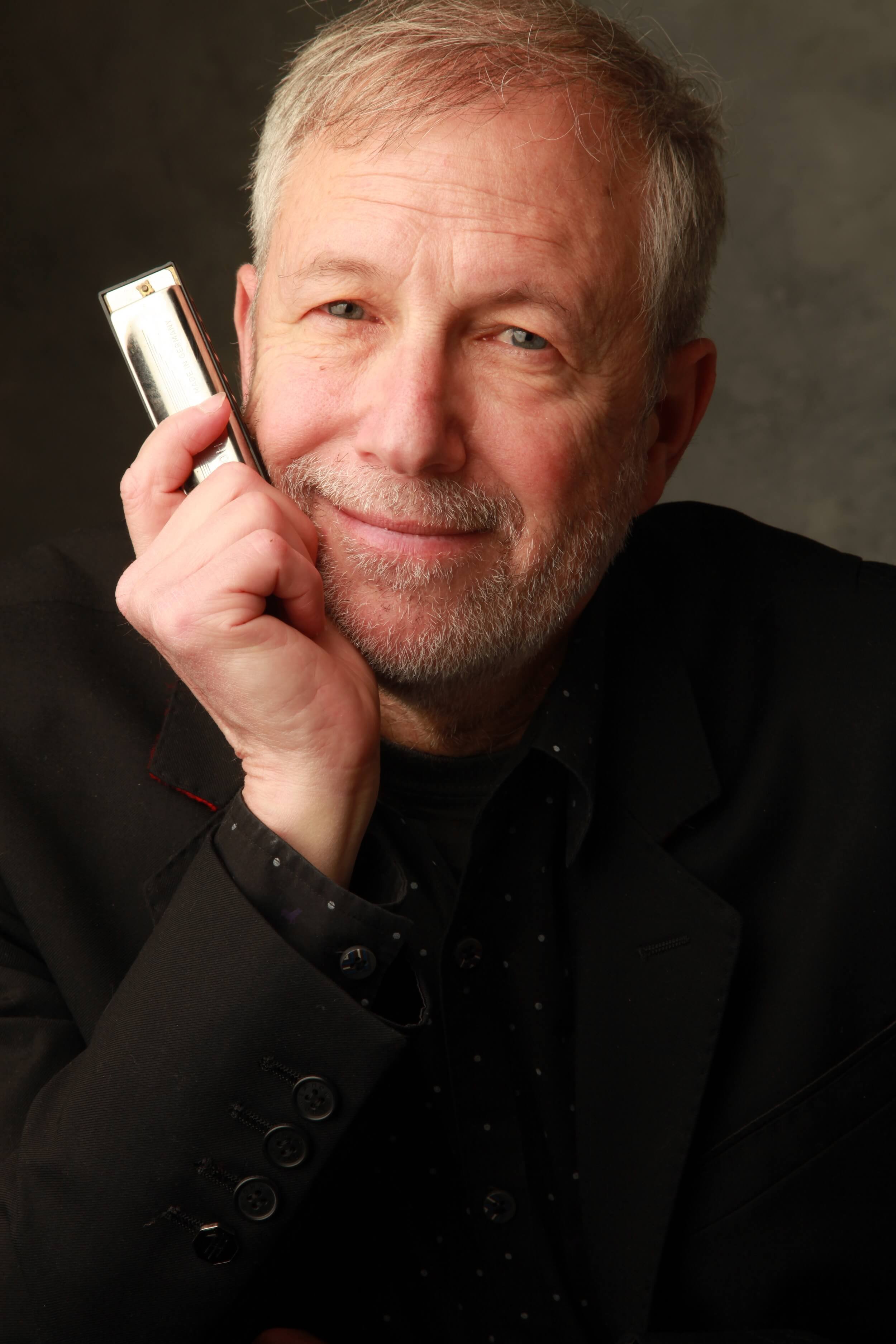
I use Hohner Special 20 Harmonicas exclusively. I like the mellow tone. It isn't the best for the real bluesy sound but it just seems to fit with the way I play. Instead of a wood comb, like the one in the Marine Band harmonica, the Special 20 comb is made of plastic. It stays smooth on my lips, doesn't hold the moisture like wood and doesn't expand and act like a cuisinart blade on the lips. I love Lee Oscar harps and recommend them also. My highest recommendation for anything regarding harmonicas, anything, is Joe Filisko. If you want to know the best harps for the way you play, I am not the one to ask because I may think in ways that may not work for your specific goals.

Hand-Held Microphone

The Microphone I use as my hand-held is a Shure Unidyne III 545SD. I originally bought it as a cheap vocal microphone when I first started performing. It became my harmonica microphone later just because it was there. It think Paul Butterfield may have also used this microphone but I am not sure. I like a clean sound for myself though I completely enjoy the sound that other harp players get ... especially that deep, funky, distorted blues sound. The Unidyne offers a cleaner sound. If you want the funkier sound you should use a green hornet or something like. Again. I'm not the one to ask.

The Amplifier

For many years I have used a Fender Twin Tube Amp that I bought it in the early 1970s. Great sound. I tried a Bassman a few months ago and really liked that also. I may want to trade my Twin in for the Bassman. All the recordings on this CD were made through a Mesa Boogie pre-amp that I can carry around in a brief case. I place the pre-amp by the sound board and that is the last I have to think about it. My sound tech Mark Tako Sarantakos takes care of getting the right sound and the right balance from there on with help from Holly who has been doing this with me for 26 years.

The Sound

It should be known that the sound on a stage is (with some rare exceptions) not at all related to the sound in the audience. It is a big mistake for the musicians on stage to call the shots regarding sound. You will get the best sound if you keep your volume very low on stage and let the people by the board - that can actually hear how it is sounding - call the shots. If you are too soft for them, you can easily turn up. If you are even a little too loud on stage the people at the board will not be able to control the sound and make it sound good. You will be in control of the sound and it may sound good to you but it will probably not sound too good out in the audience. So after you allow the best possible sound to happen in the audience, by giving the sound man what he needs, then the sound guy can try and make it a little more comfortable on stage. I find the best results is either no, or very little monitor. Sometimes it sounds really bad on stage. But if you know it is sounding incredible out in the audience it is amazing how quickly you can get used to it. It sometimes takes focusing closely to hear yourself and other musicians. But isn't focusing what is supposed to happen anyway? I think it makes playing more fun.

One more thing. All the Chamber Blues musicians come out to the audience during sound check to see how the other musicians sound and help with some final adjustments. This works great because it allows the musicians to experience the relationship between stage and audience sound and makes it easier to deal with a less than ideal sound on stage because they know now how great it is sounding in the house. There is definitely a psychological transference that happens that allows the musicians to be that much more comfortable on stage.

Microphones and Recording Device

The concerts were recorded, edited, and mixed all on the Roland 2480 CD 16 track recorder. All the microphones were Shure microphones and everything was close miked except for the audience microphones. The close microphone technique really offered us the ability to keep a consistent sound from a roaring 5,000 seat facility, out door festivals, and late night sets at a 200 seat club. The string players used Shure SM98s attached behind the bridge with a velcro support. The percussion was picked up by 98's on little baby stands designed by Ken Goerres. Two or Three 98s were used in the piano. All the vocals were recorded on Shure SM87s. The upright acoustic bass played by Rollo in Train (which I neglected to define on the original printed liner notes) was recorded with 98s also.

Engineering

Sound engineer for the live recording was Mark "Tako" Sarantakos. He is the sound designer for most of our performances. Mixing production was Ken Goerres. And this was no small feet. Ken is an sonic sculptor and a passionate lover of the subtle qualities of something called "sound." I engineered the mix and also was the editor. Mastering was masterfully done by Master Mitch Zelezny at Mitch's Mix N' Master in Los Angeles. Production by Me and my buddy Holly. Ken Goerres also produced 5 Planets with Holly and me.

Live Set Up - by Ken Goerres

Ken Goerres (the designer of our live sound and also the mixing producer for this CD project) has an explanation and reassuring words to presenters and their technicians about how we utilize amplification for this live show:

Chamber Blues uses an approach to amplification which is a cross between theater sound design and typical concert sound. Everything about our approach is intended to maintain the illusion that the sound is coming from the instruments rather than from speakers. Our goal is to make the instruments achieve the same sound level and tonal quality throughout the entire room that they possess a few feet in front of the instruments. This is true sound reinforcement, augmenting the natural acoustics of the instruments and the hall.

After a concert, It is not unusual for presenters and audience members to comment that this is the best sound they have ever heard in their house. Music teachers, renowned musicians and conductors, even with an aversion to amplification, comment that they surprisingly prefer the sound of our amplified acoustic instruments over the unassisted traditional set up. This is due to the fact that no matter how good the room sounds, the application of judicious amplification will make any room sound like an even better room.

In order to achieve this effect, we set up speakers on stands, in stereo, behind the group so that the sound comes from the same location as the musicians. Additionally, we send a delayed feed to the house system for additional coverage. By delaying the house system, the sound still appears to come from the musicians rather than from way over head or way off to the side.


Featured CD